10 More Things to See in North Nicosia
Last updated
If you have already ticked off the classics — Selimiye Mosque, Büyük Han and Kyrenia Gate — the walled city of Nicosia still has plenty in store. Gothic churches tucked into side streets, centuries-old inns and baths, medieval mansions and beautifully restored historic quarters more than justify a second day of exploring. Here are 10 more places to see in North Nicosia — all within walking distance, all full of stories.
New to the city? Read our guide to staying in Nicosia first.
Haydarpasha Mosque (St. Catherine's Church)
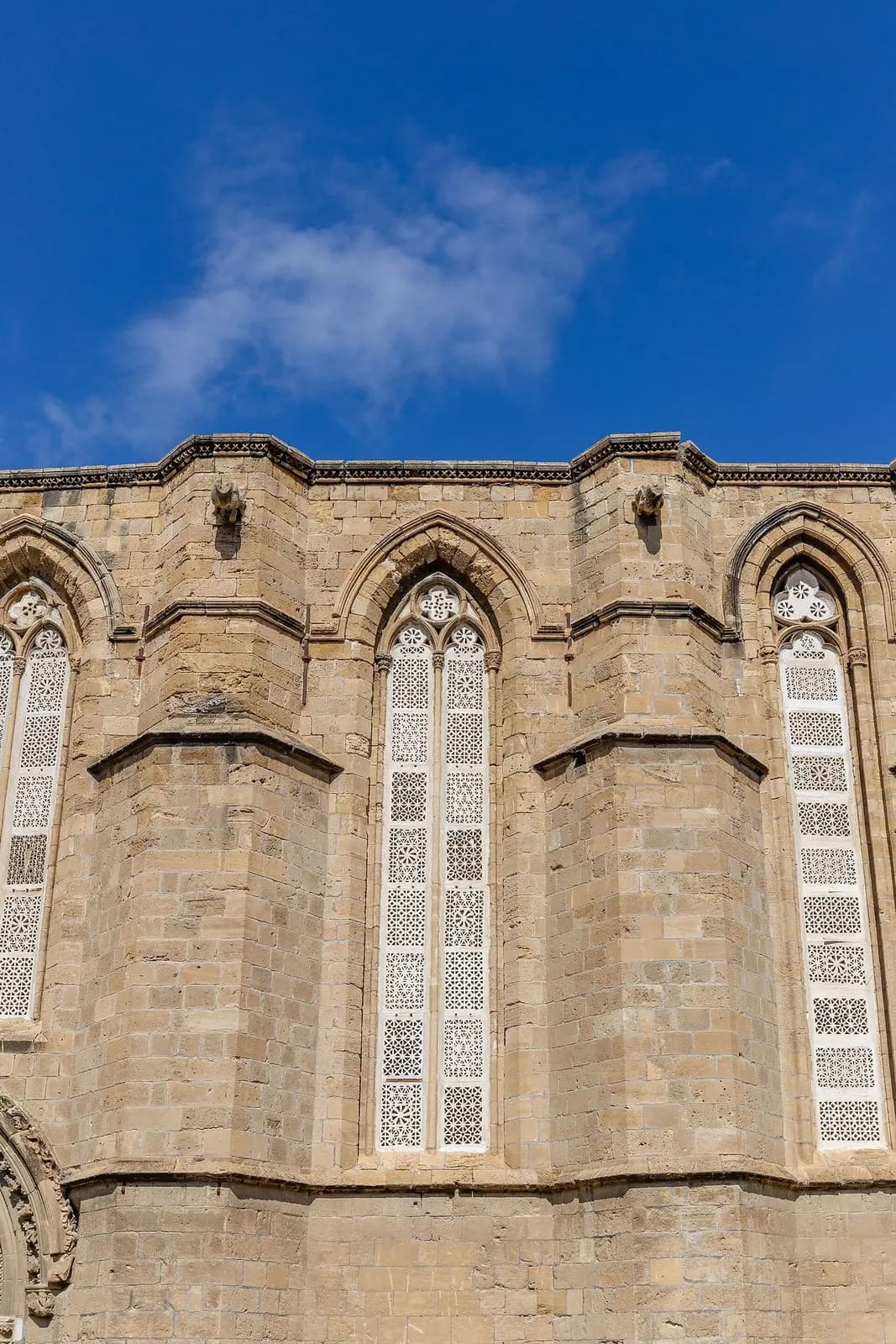
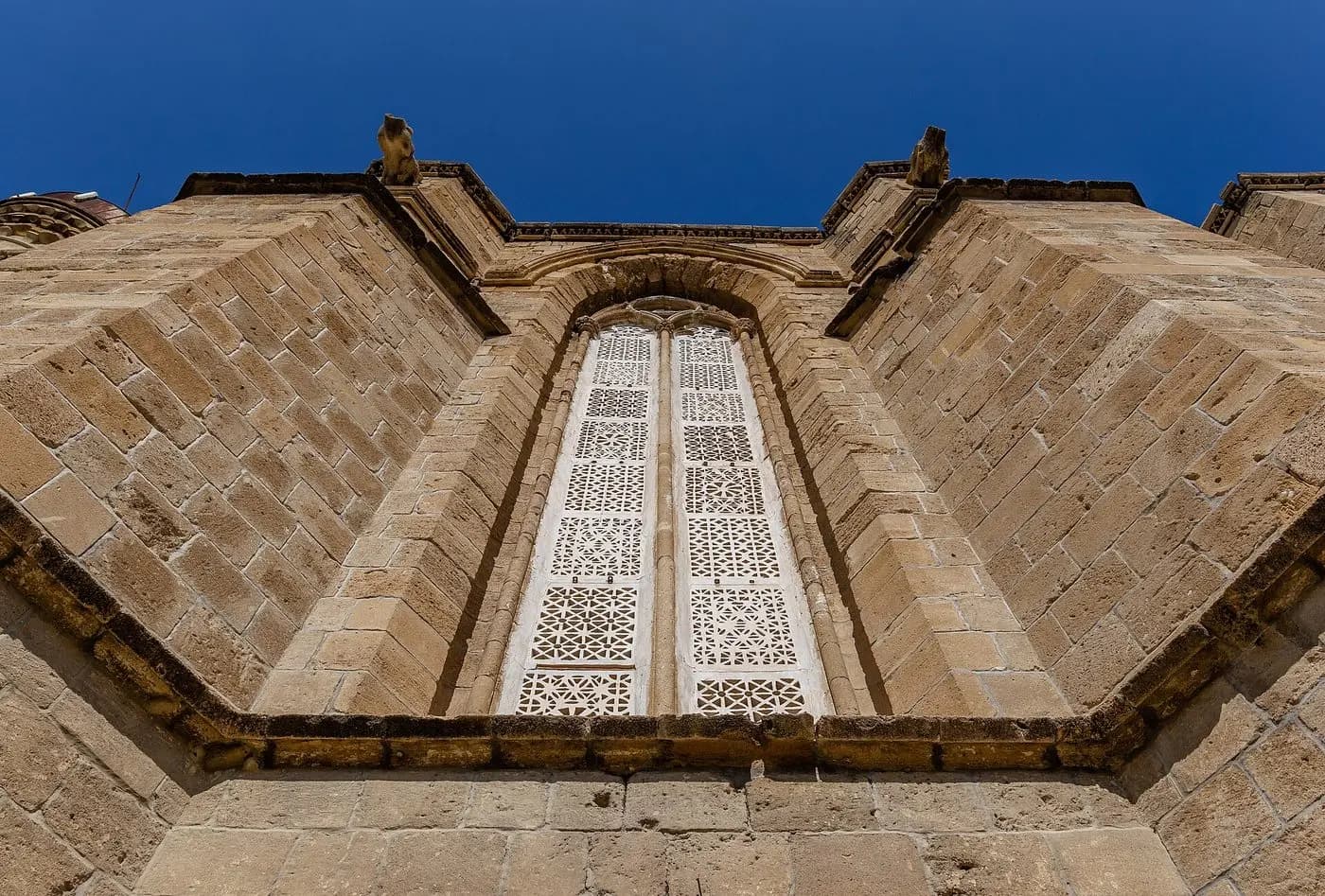
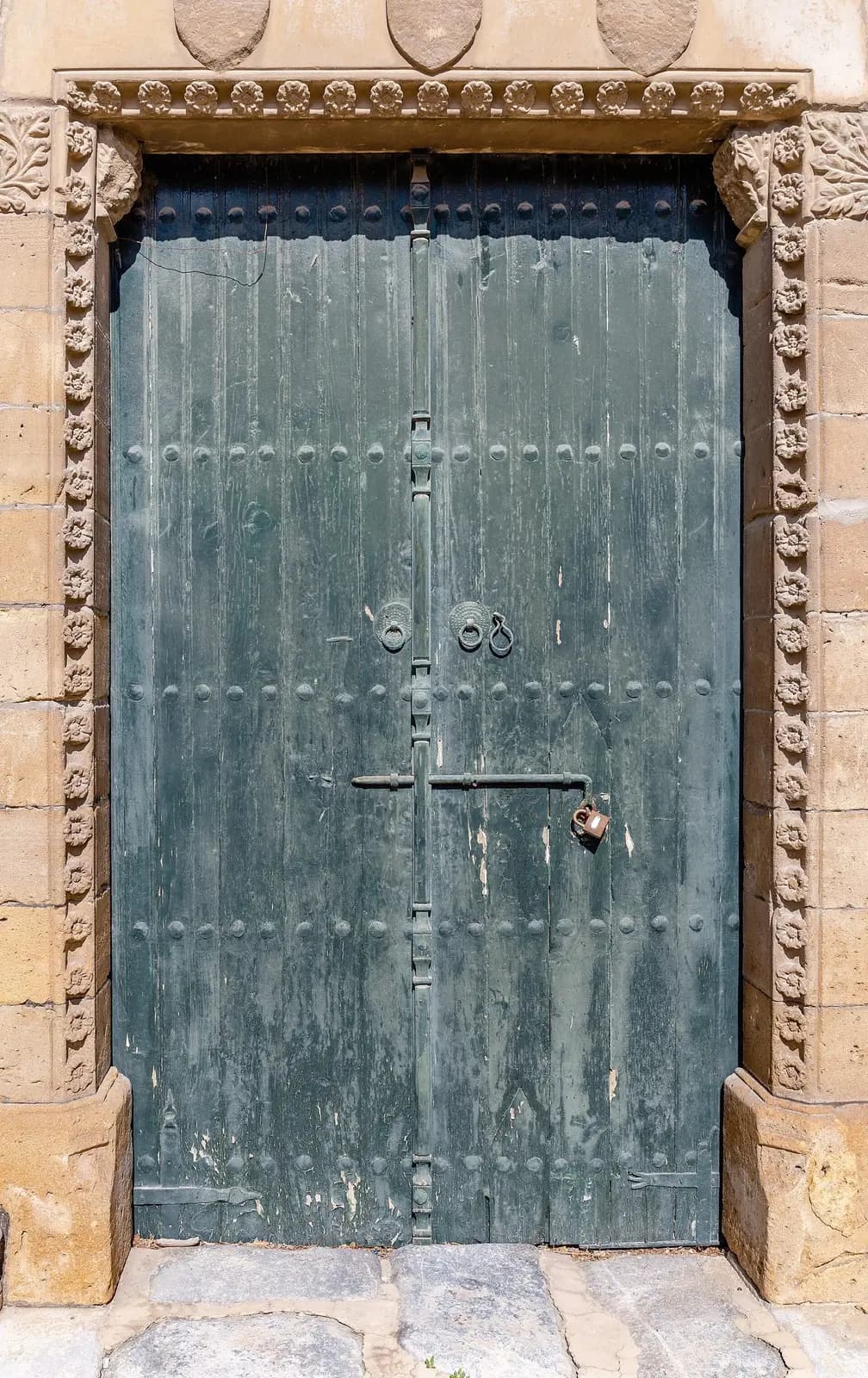
After Selimiye, Haydarpasha Mosque is the finest Gothic building in Nicosia. It was built in the 14th century, under Lusignan rule, as the Church of St. Catherine, and gained its slender minaret when converted into a mosque in the Ottoman era — a surprisingly harmonious pairing. The delicate carvings on its portals, rose motifs and window tracery rank among the island's most refined stonework. Today the building periodically hosts exhibitions and cultural events, and even when closed its exterior alone is worth the detour. Tip: it's a few minutes' walk from Selimiye Mosque — comparing the two Gothic landmarks in one stroll is a pleasure in itself.
Kumarcılar Han (The Gamblers' Inn)
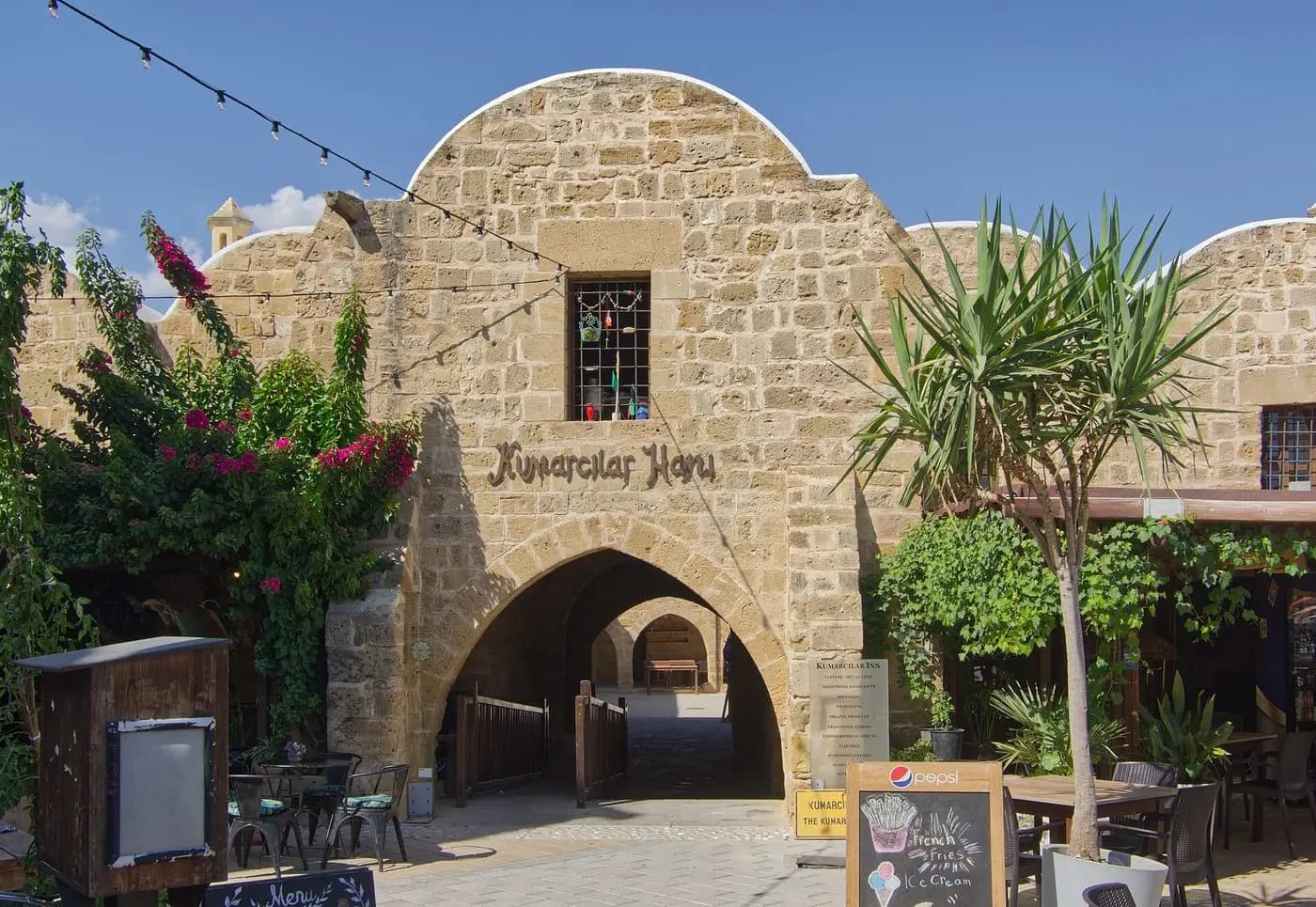
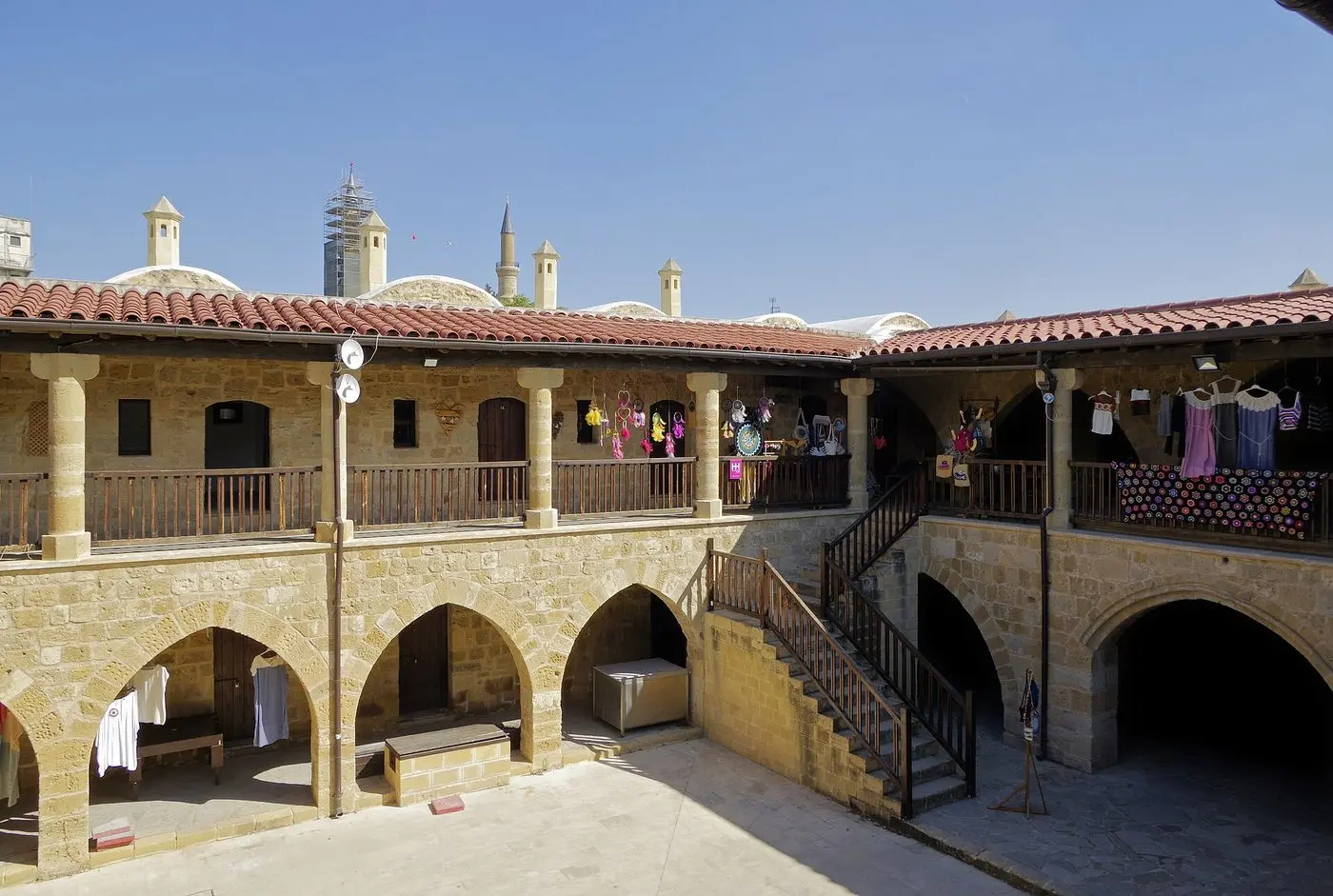
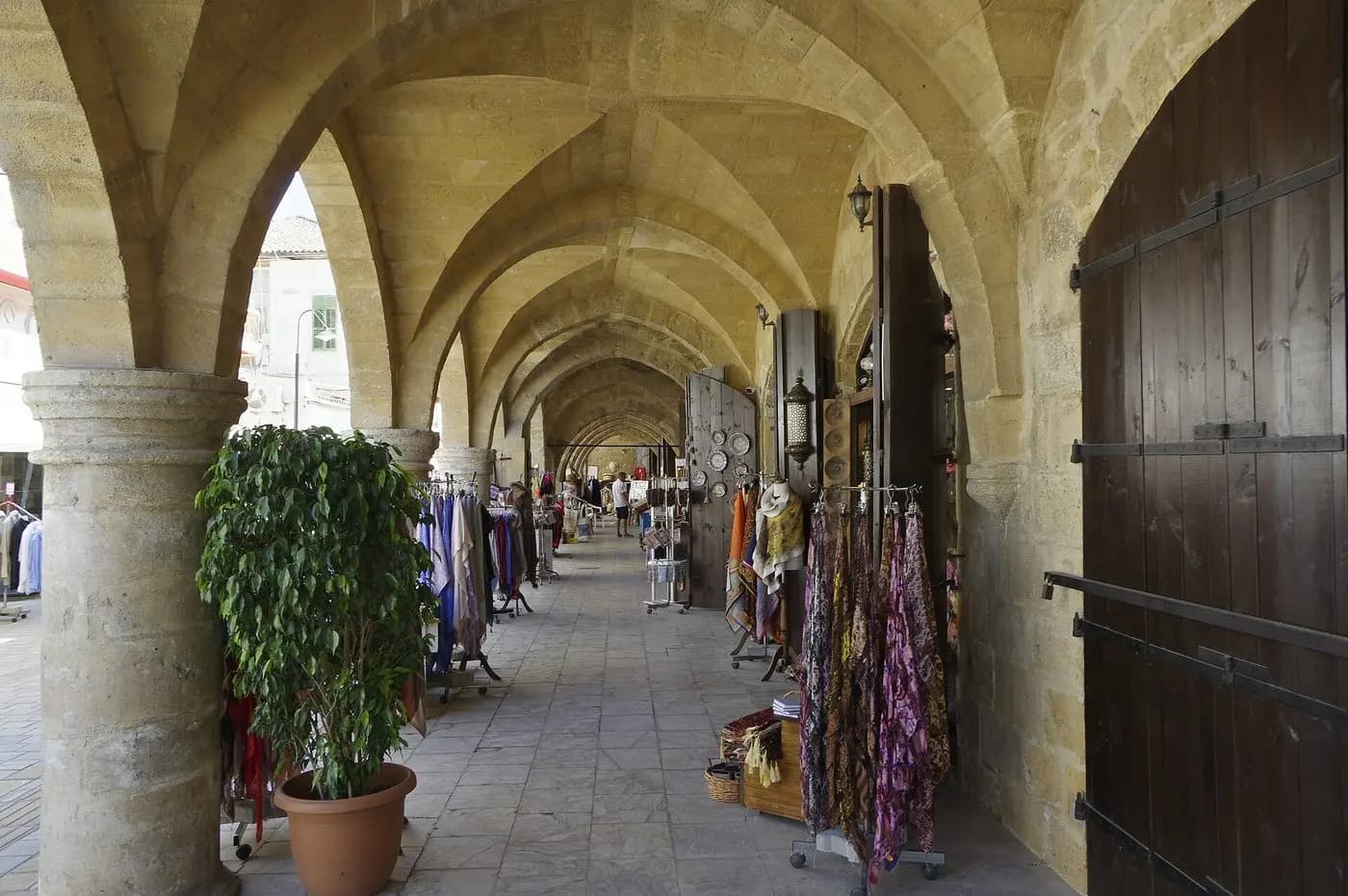
The smaller but equally charming neighbour of Büyük Han, Kumarcılar Han was built in the late 17th century on Asmaaltı Square. Its name — the Gamblers' Inn — is said to come from the card players who once gathered here. With an arcaded courtyard and stone rooms, it is a delightful example of classic Ottoman inn architecture. Brought back to life after a long restoration, the han now hosts cafés and event spaces, drawing locals and visitors alike. Tip: it's only a minute or two from Büyük Han — visit both inns together, then stop for a traditional lunch at the eateries of the Asmaaltı district.
Büyük Hamam (The Great Bath)
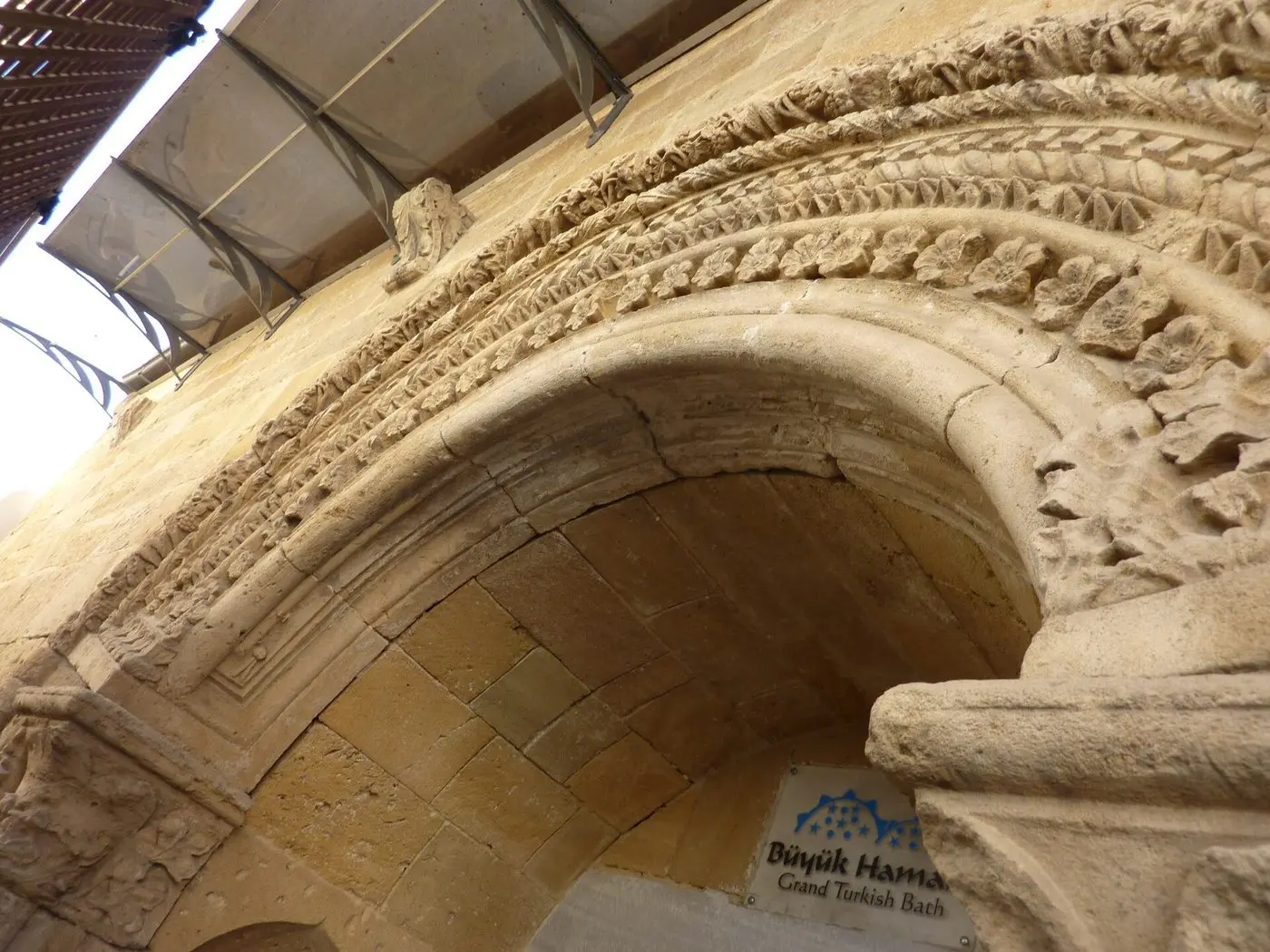
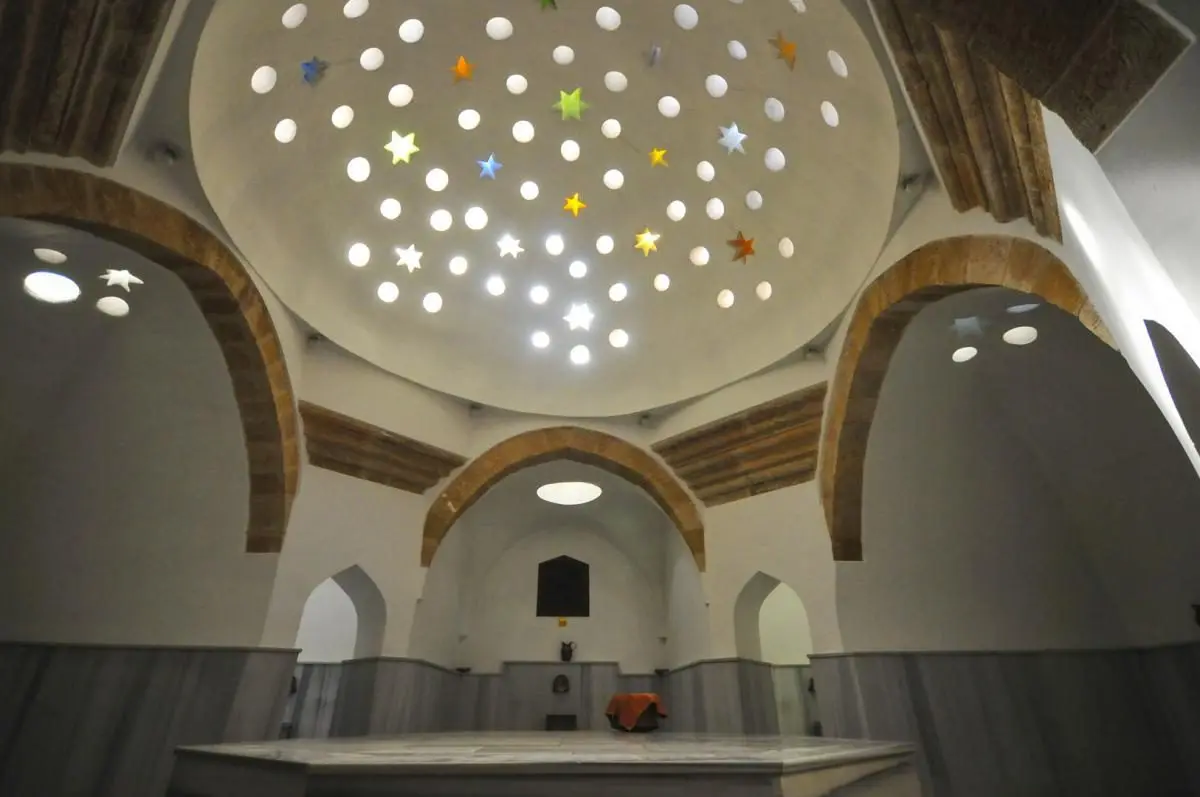
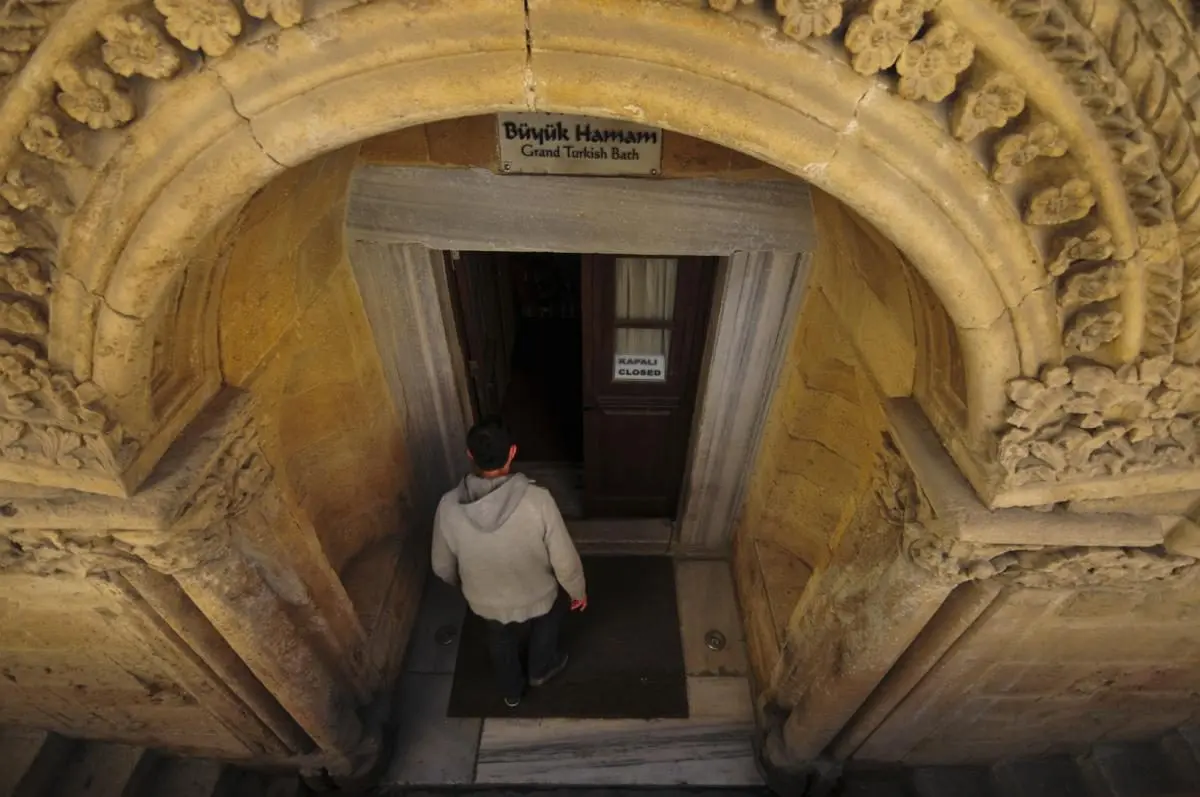
One of Nicosia's most curious buildings, the Büyük Hamam began life as the 14th-century Latin church of St. George before being converted into a bathhouse in the Ottoman era. Its most striking feature is the Gothic carved doorway, which now sits two to three metres below today's street level — vivid proof of how much the city has risen over the centuries. Carefully restored, the bath keeps traditional hamam culture alive with its domed hot rooms and central marble stone. Tip: it's worth a stop for photos alone, but treating yourself to a genuine Ottoman bath here is the most enjoyable way to shake off a day of sightseeing.
Lusignan House
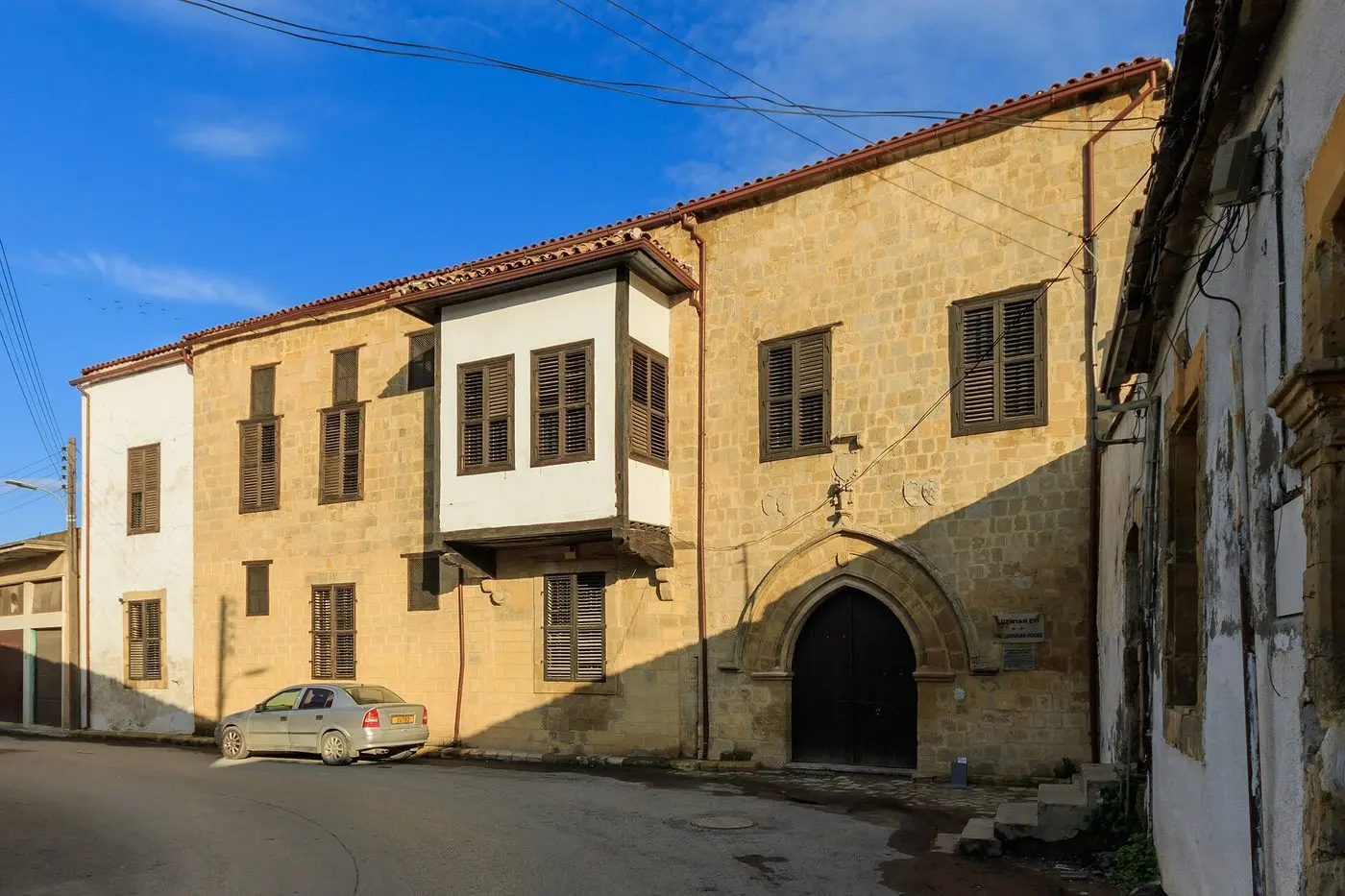
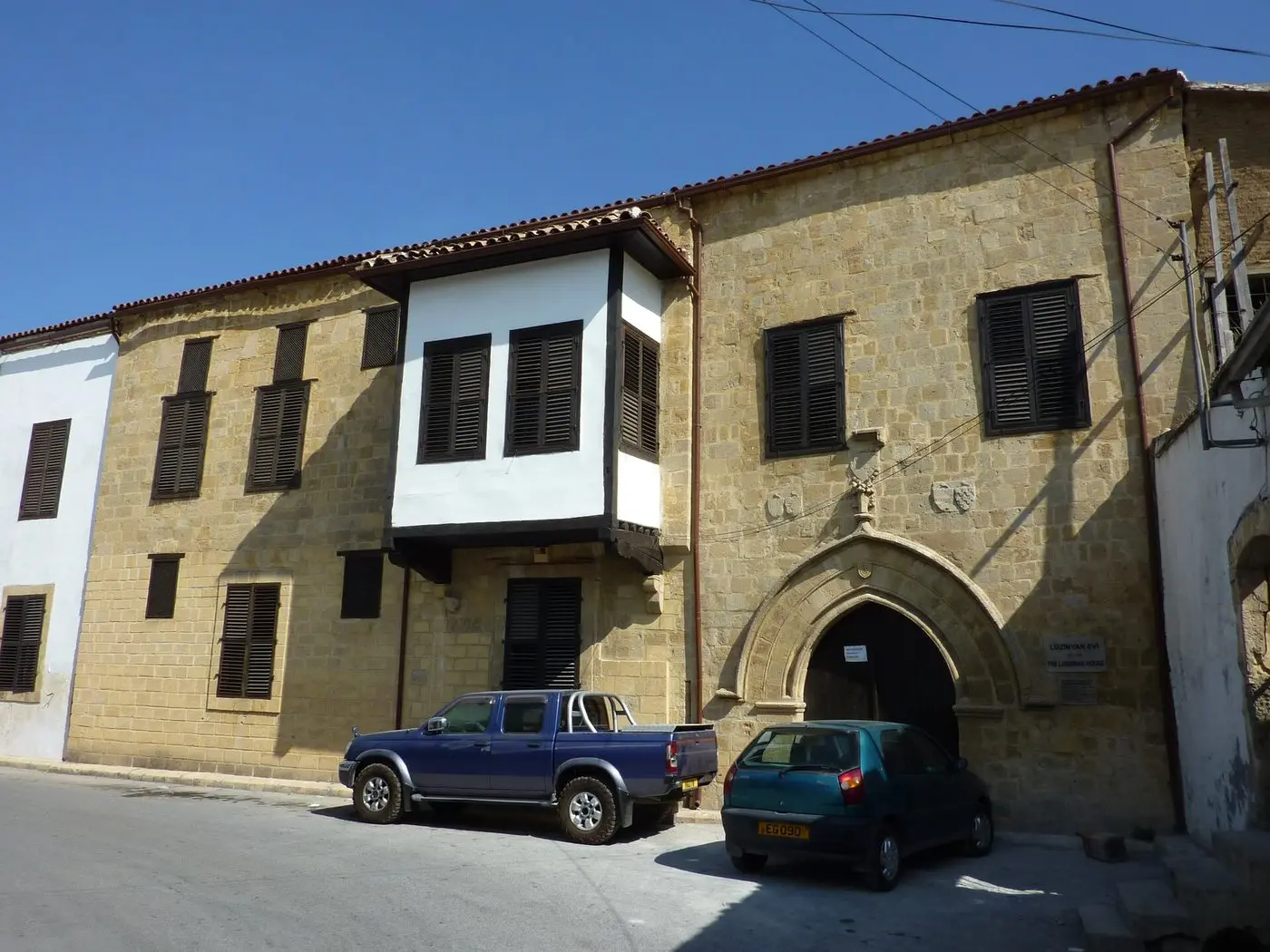
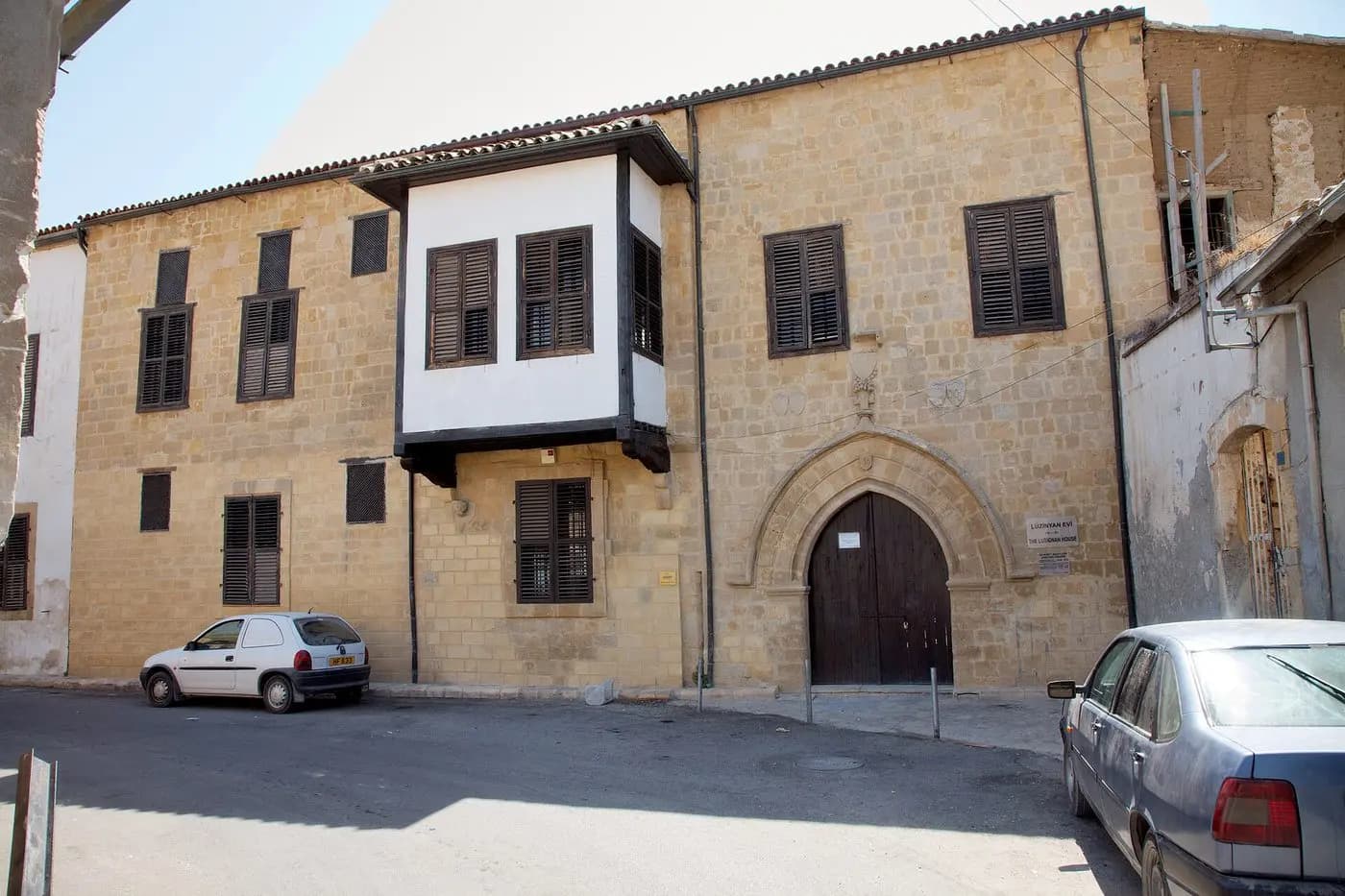
Dating from the 15th century, the Lusignan House is one of the few examples of medieval domestic architecture to survive in Nicosia. The dynastic coat of arms above its Gothic doorway hints at its noble past. Enriched with Ottoman-era additions, the house was restored in 1997 and arranged as a museum-house, displaying medieval artefacts, manuscripts and period furniture, while its stone courtyard offers a quiet retreat from the city bustle. It can be visited on weekdays during the day for a small entrance fee. Tip: it sits just off the route between Selimiye Mosque and Kyrenia Gate, so it's easy to slot into your walk.
The Lapidary Museum
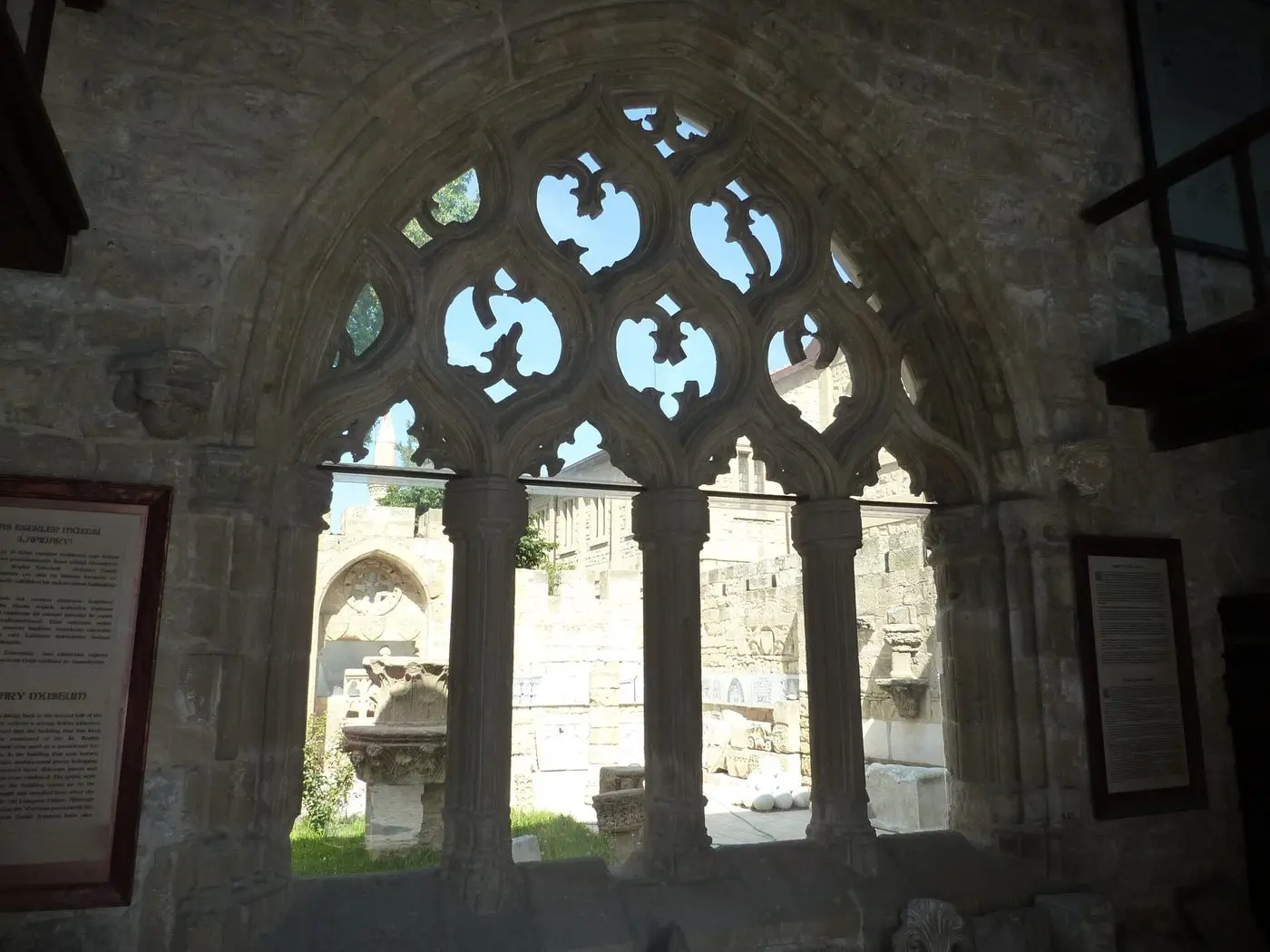
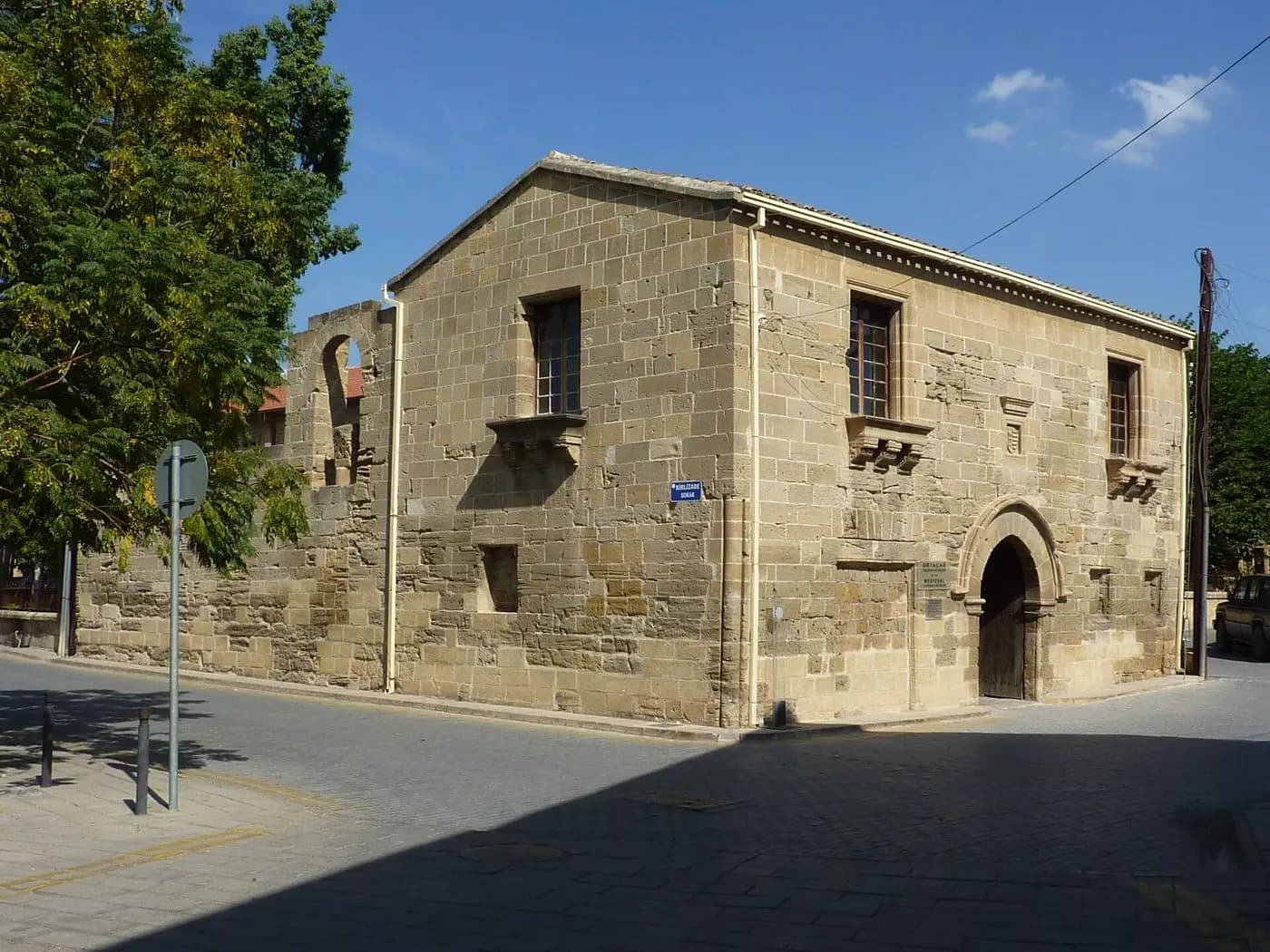
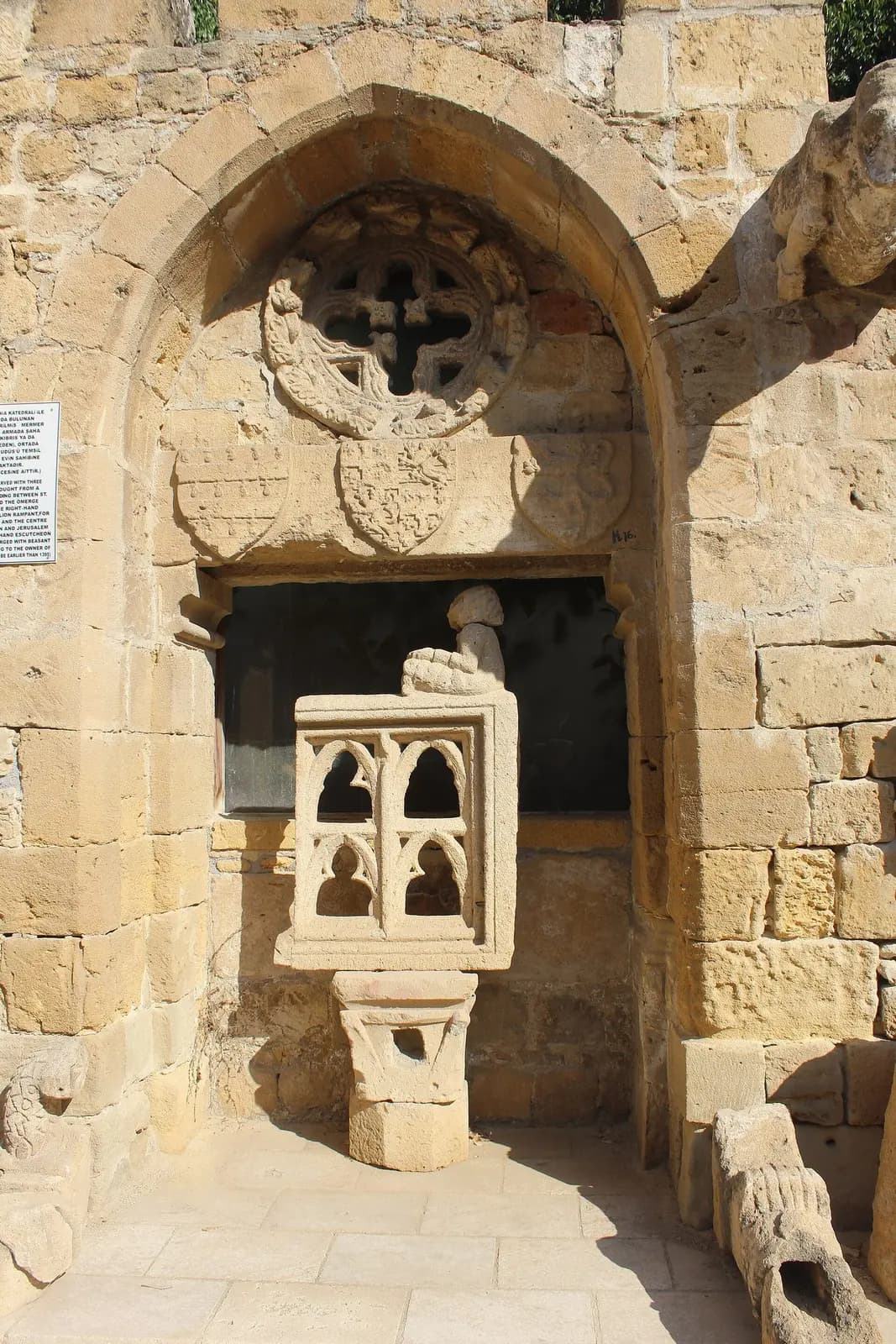
Housed in a 15th-century Venetian-era building right opposite Haydarpasha Mosque, the Lapidary Museum gathers stone treasures rescued from Nicosia's lost medieval buildings. Its courtyard and interior display sarcophagi, heraldic reliefs, column capitals and tombstones — with the star exhibit being a magnificent flamboyant Gothic window salvaged from the demolished Lusignan palace. Small but rich, the museum is the best place to imagine the vanished splendour of medieval Nicosia. Tip: combine it with Haydarpasha Mosque; the quiet lanes between the two are among the most peaceful corners of the old town.
Arabahmet Quarter
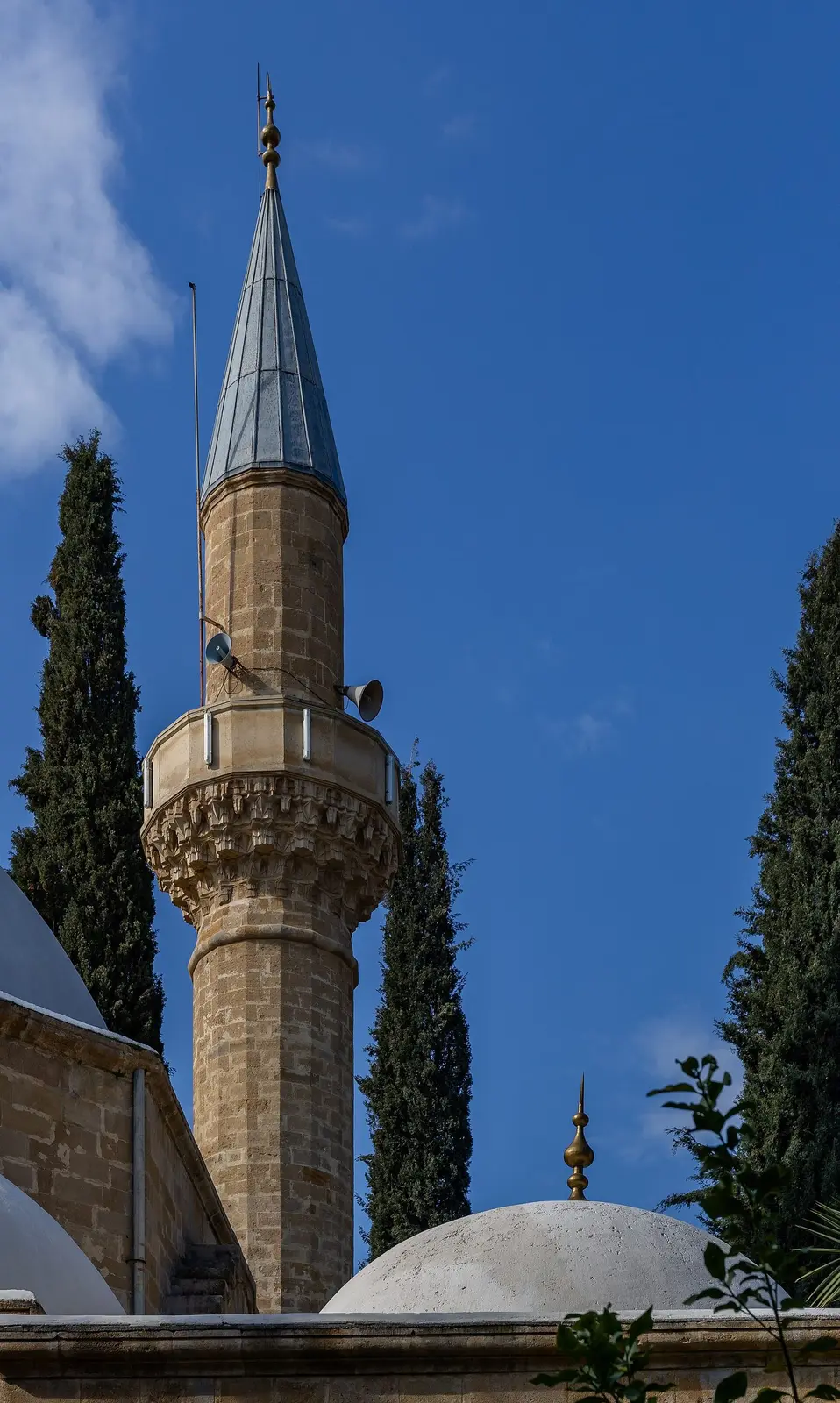
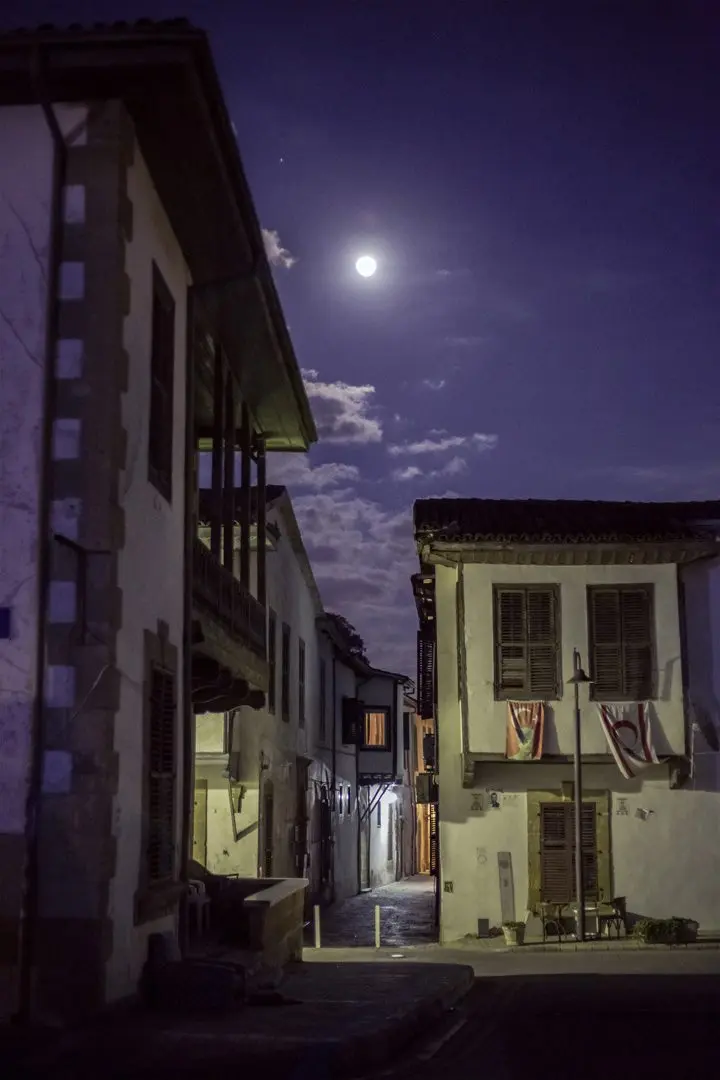
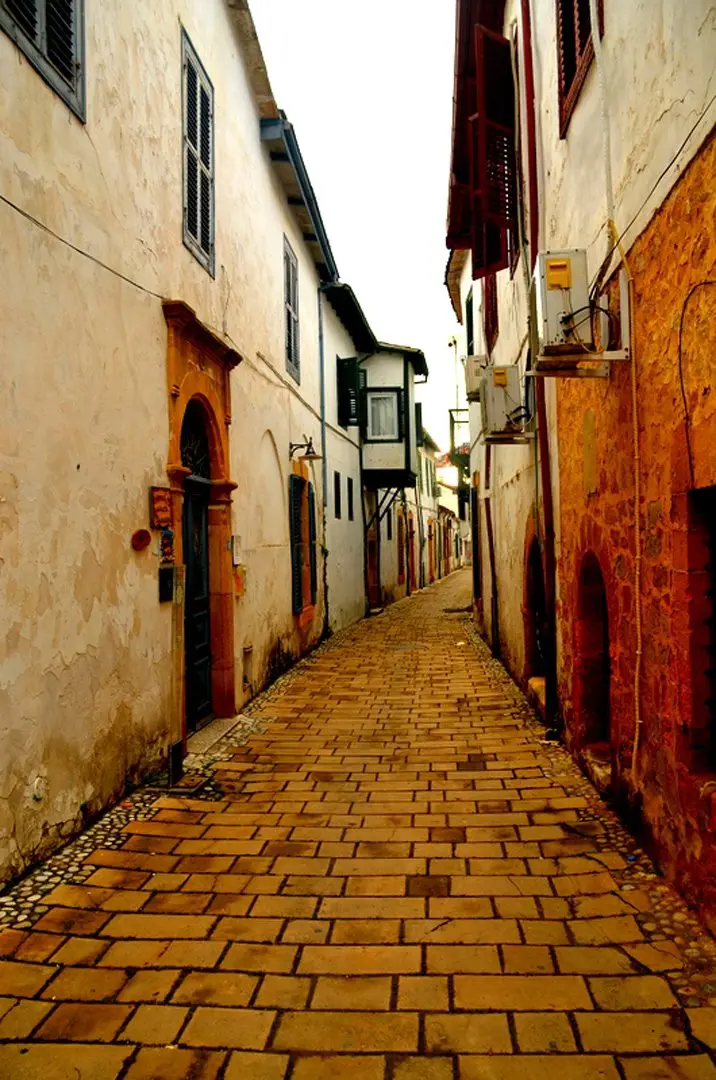
In the west of the walled city, Arabahmet is the neighbourhood where historic Nicosia is best preserved. Its streets, lined with Ottoman houses sporting overhanging bay windows and British colonial-era buildings, have been revived through extensive restoration. The 16th-century Arabahmet Mosque, which gives the quarter its name, welcomes visitors with its graceful courtyard, and the Dervish Pasha Mansion is also found here. Cafés, art studios and cultural centres tucked between the houses lend the quarter a young, creative spirit. Tip: stroll along Salahi Şevket Street and don't hesitate to wander into the side lanes — the best photographs happen unplanned.
The Armenian Church & Monastery (Notre-Dame de Tyre)
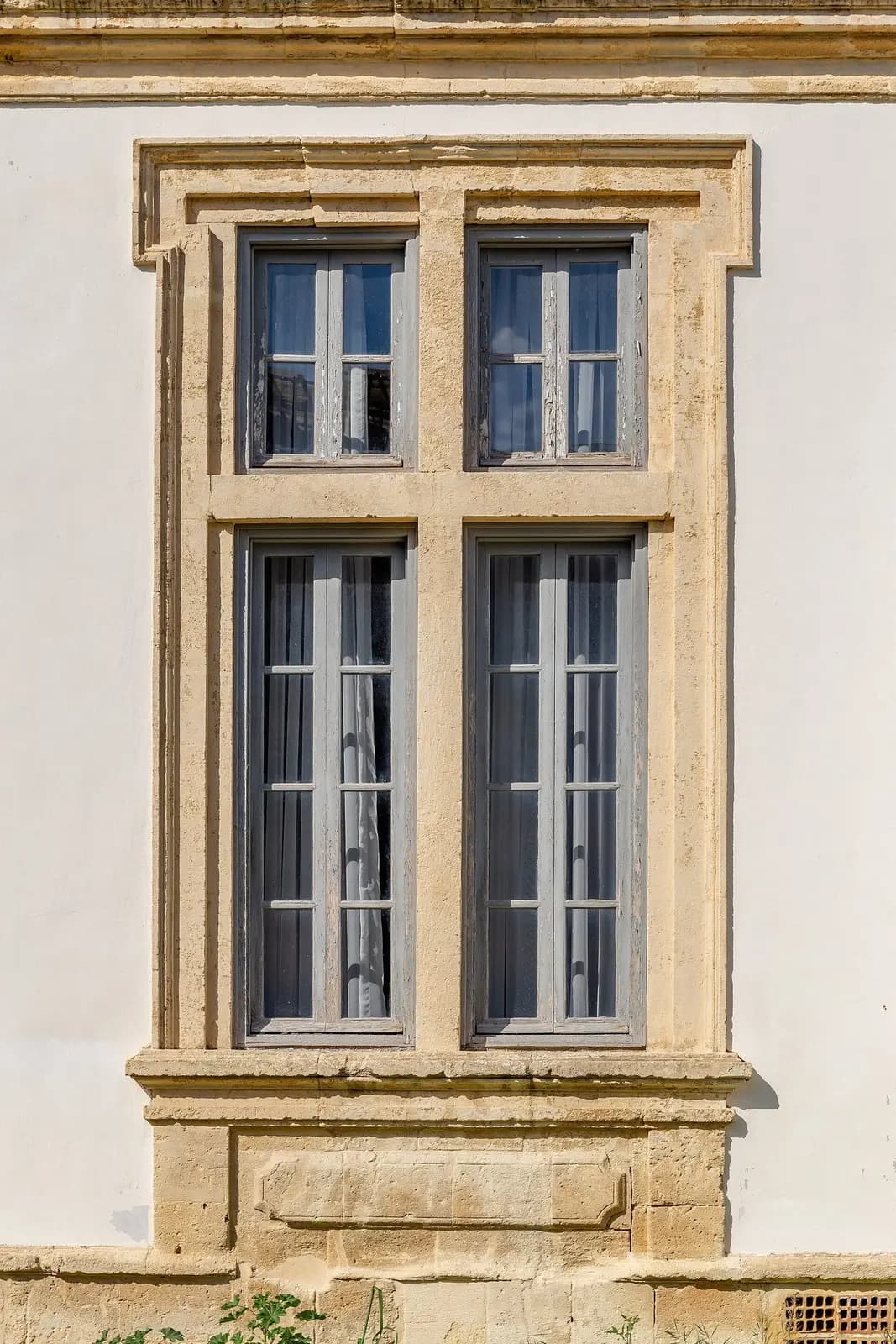
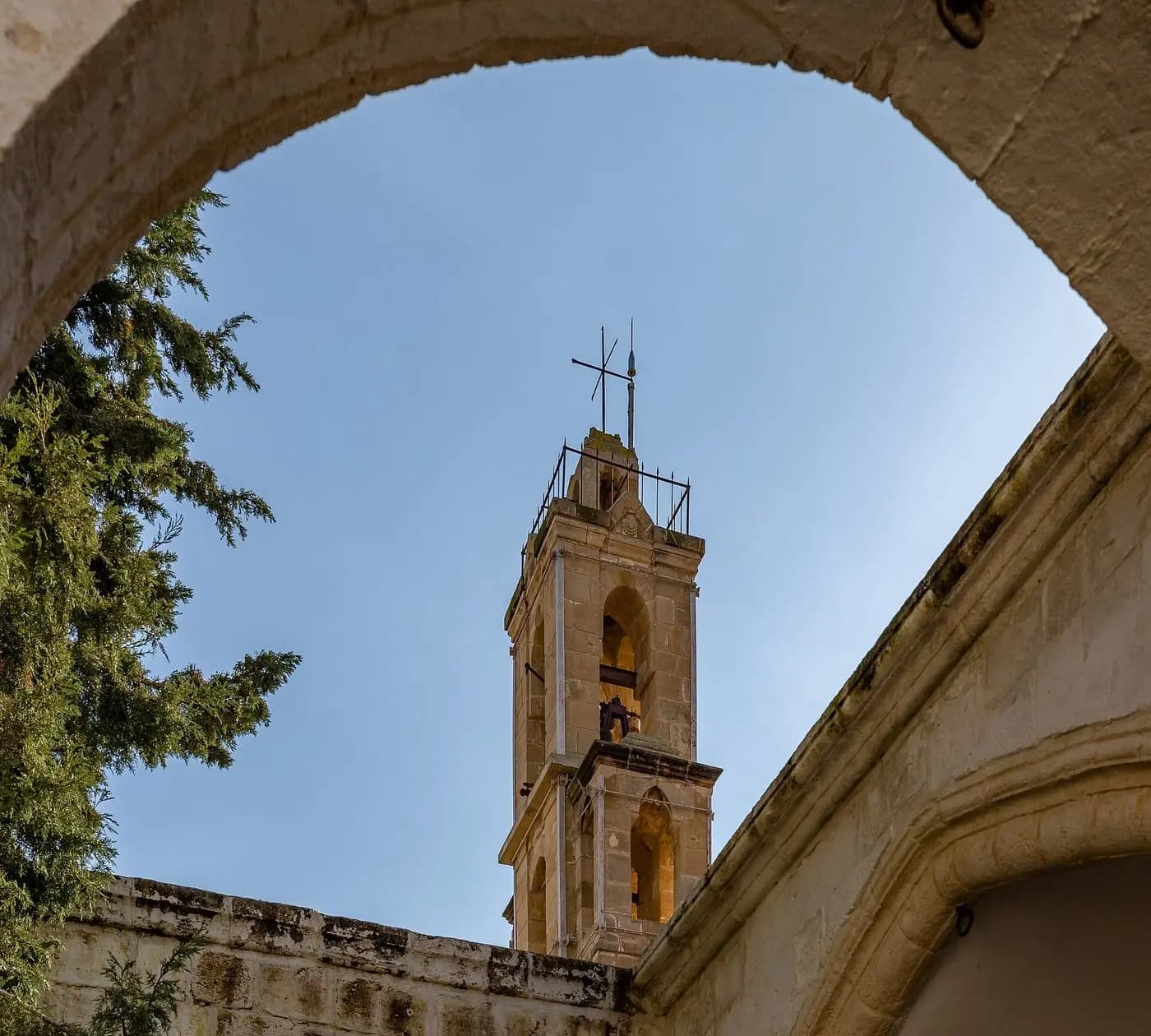
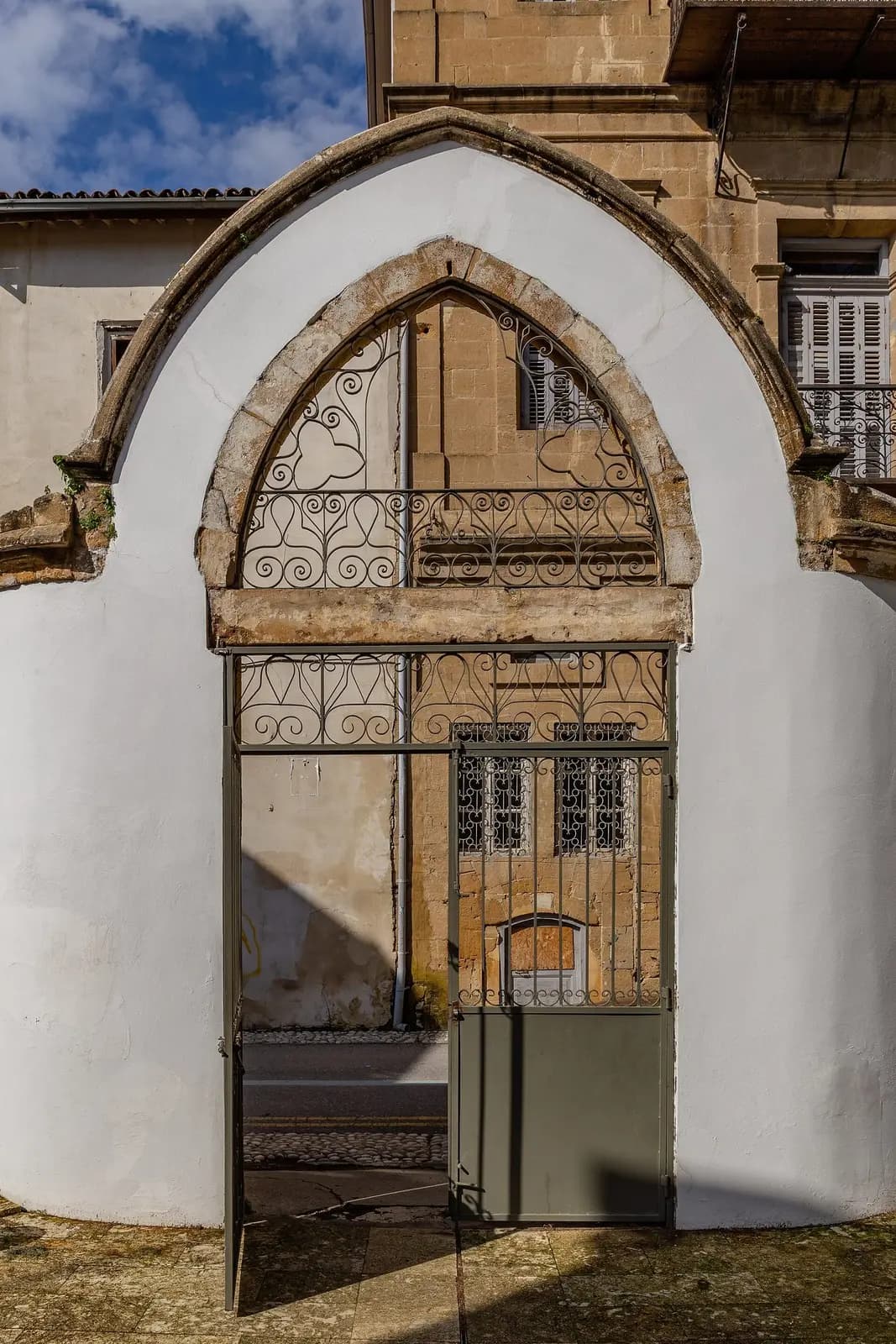
Hidden within the Arabahmet quarter, this graceful complex was built in the 14th century as the Benedictine convent of Notre-Dame de Tyre and later assigned to the Armenian community in the Ottoman era. Having served for centuries as church, monastery and school, it was brought back to life by a meticulous restoration carried out between 2009 and 2013, which earned an international heritage award. With its Gothic arches, courtyard and bell tower, it now hosts cultural events. Tip: it's just steps from the Dervish Pasha Mansion, making it a natural stop on your Arabahmet walk.
Saçaklı Ev (The Eaved House)
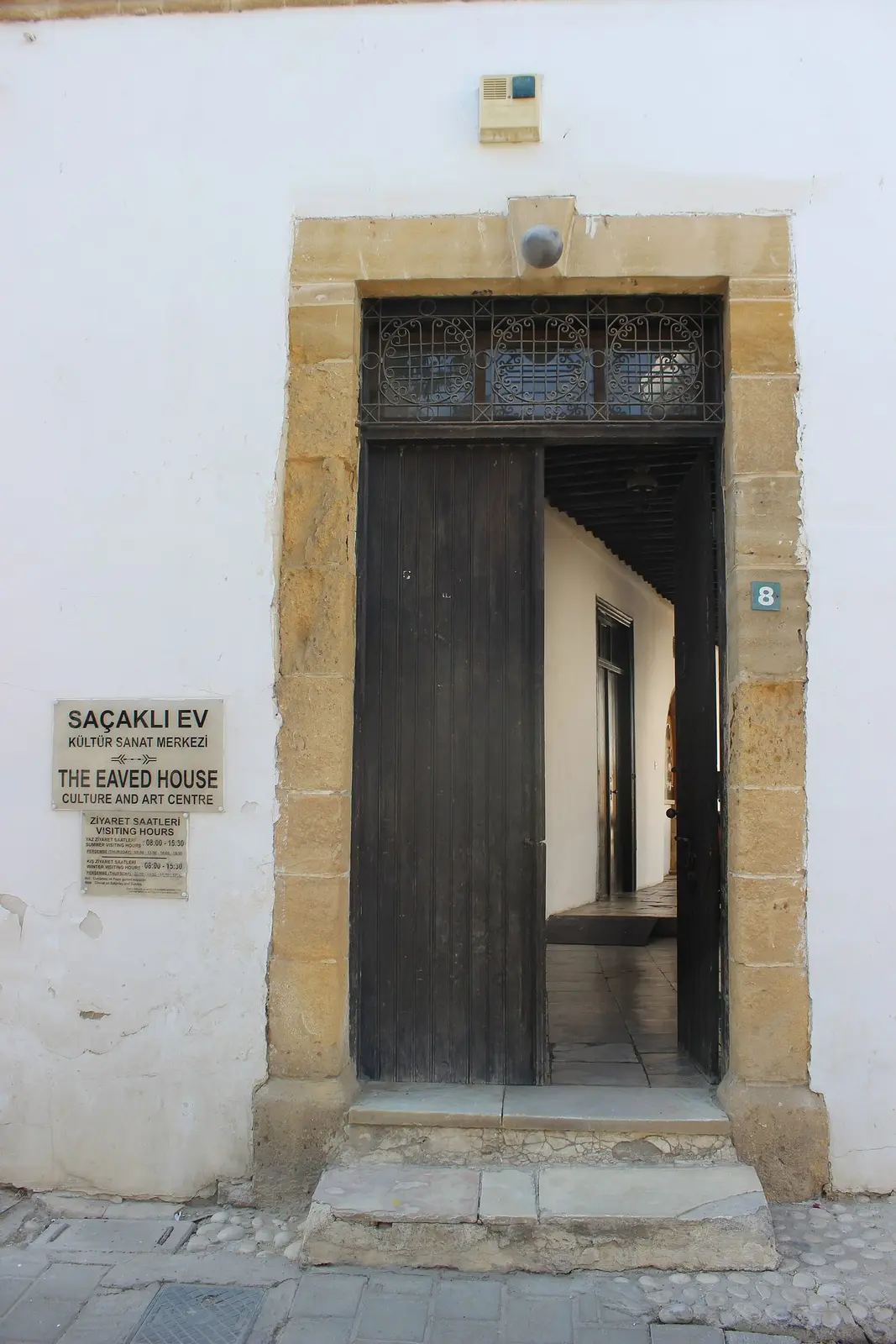
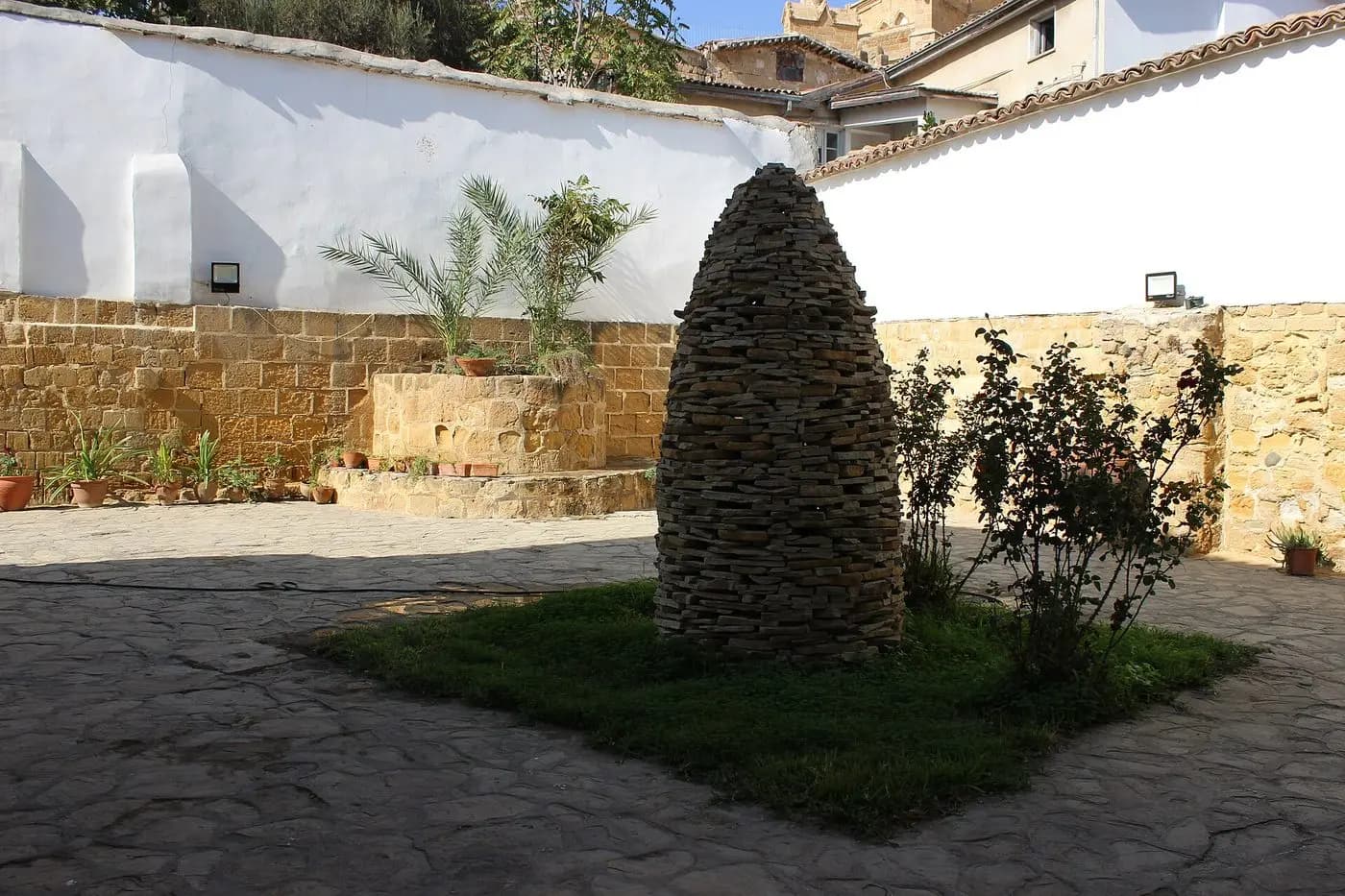
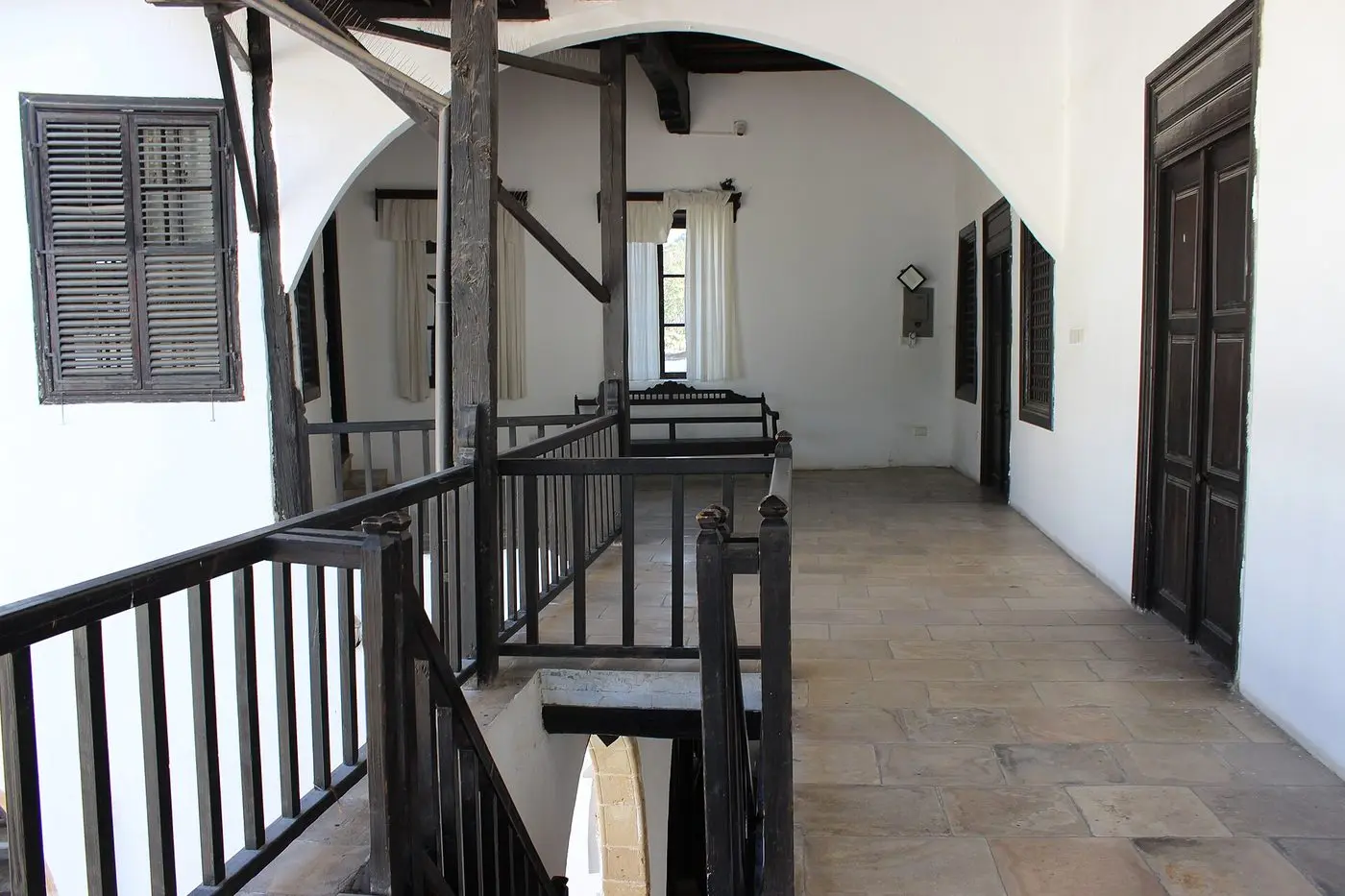
Tucked into the backstreets behind Selimiye Mosque, the Saçaklı Ev — the Eaved House — takes its name from the broad wooden eaves shading its façade. Medieval in origin and extended in the Ottoman period, it grew into its present L-shaped, courtyard-centred form: a textbook example of traditional Cypriot domestic architecture with its stone ground floor and timber upper storey. Now restored, the house serves as a cultural centre hosting exhibitions, talks and small concerts. Tip: drop in right after visiting Selimiye and the Bedesten — and if your timing matches the events calendar, an evening recital in the courtyard is enchanting.
The Venetian Walls & Bastions
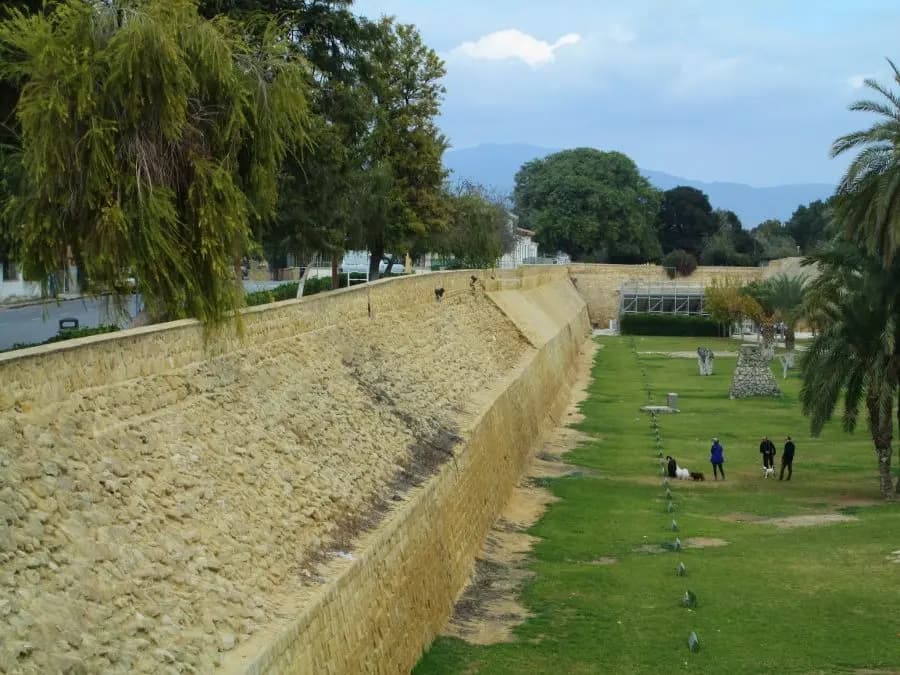
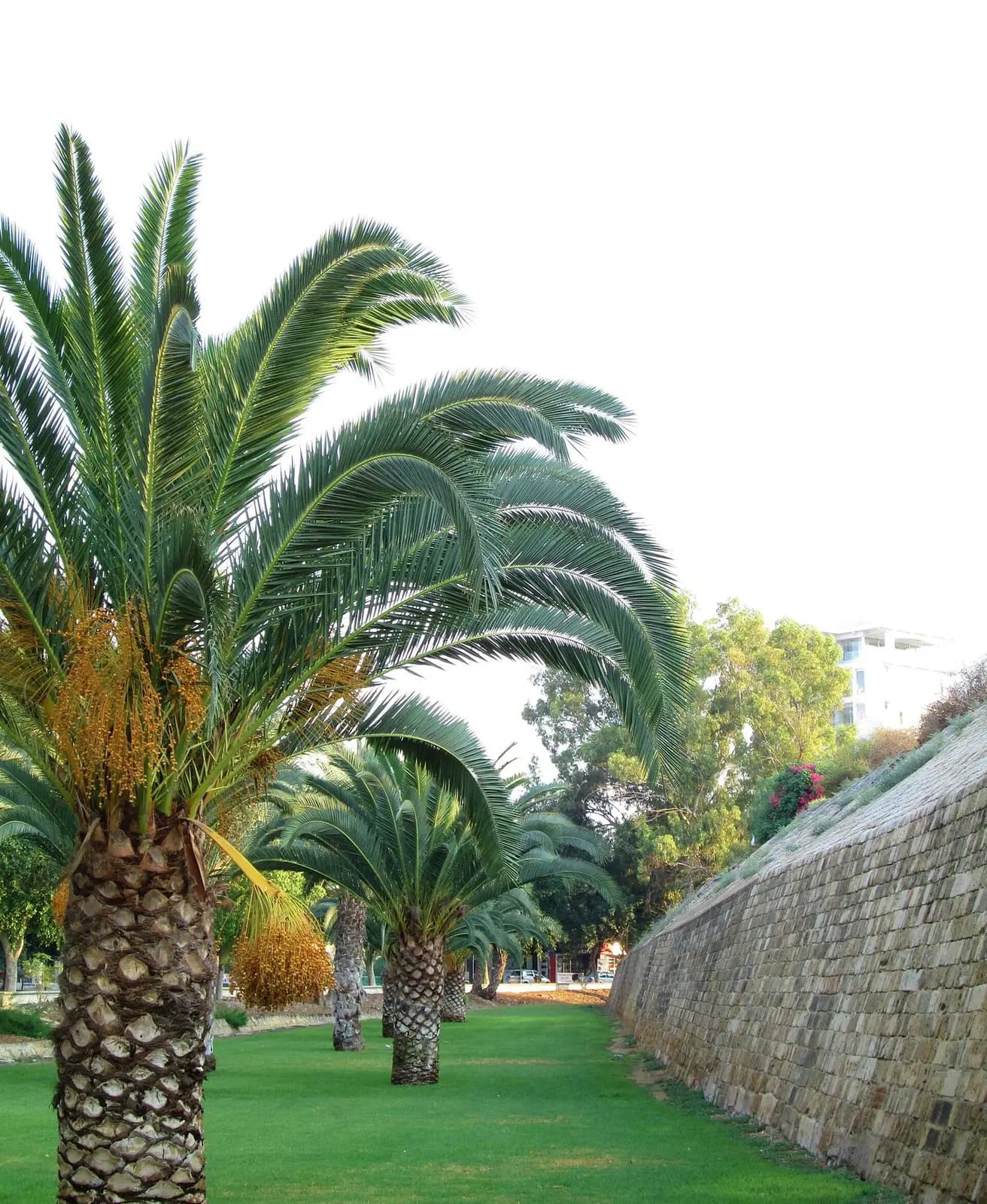
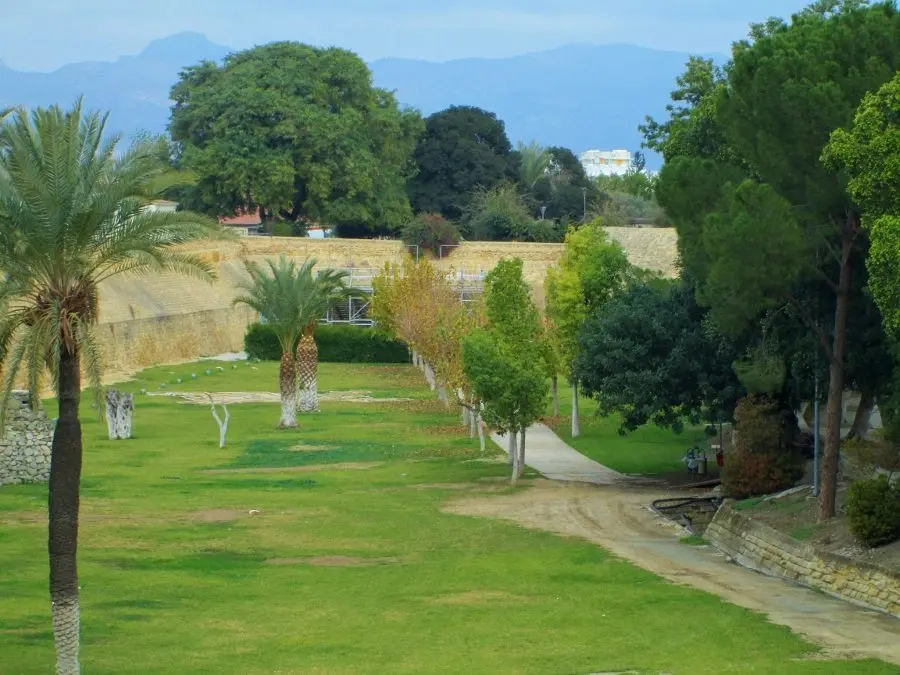
Encircling Nicosia in a perfect star shape, the Venetian walls were built in 1567 to the most advanced military design of their day. The ring runs for roughly five kilometres and carries eleven bastions and three historic gates; the northern half includes Kyrenia Gate and the Cephane and Musalla bastions. The deep moats that once defended the city have been transformed into parks and green spaces. Walking along or beneath the ramparts is richly rewarding, offering both city views and a tangible sense of history. Tip: time your walk for the hour before sunset, when the low light turns the sandstone gold.
Yeni Cami (The New Mosque)
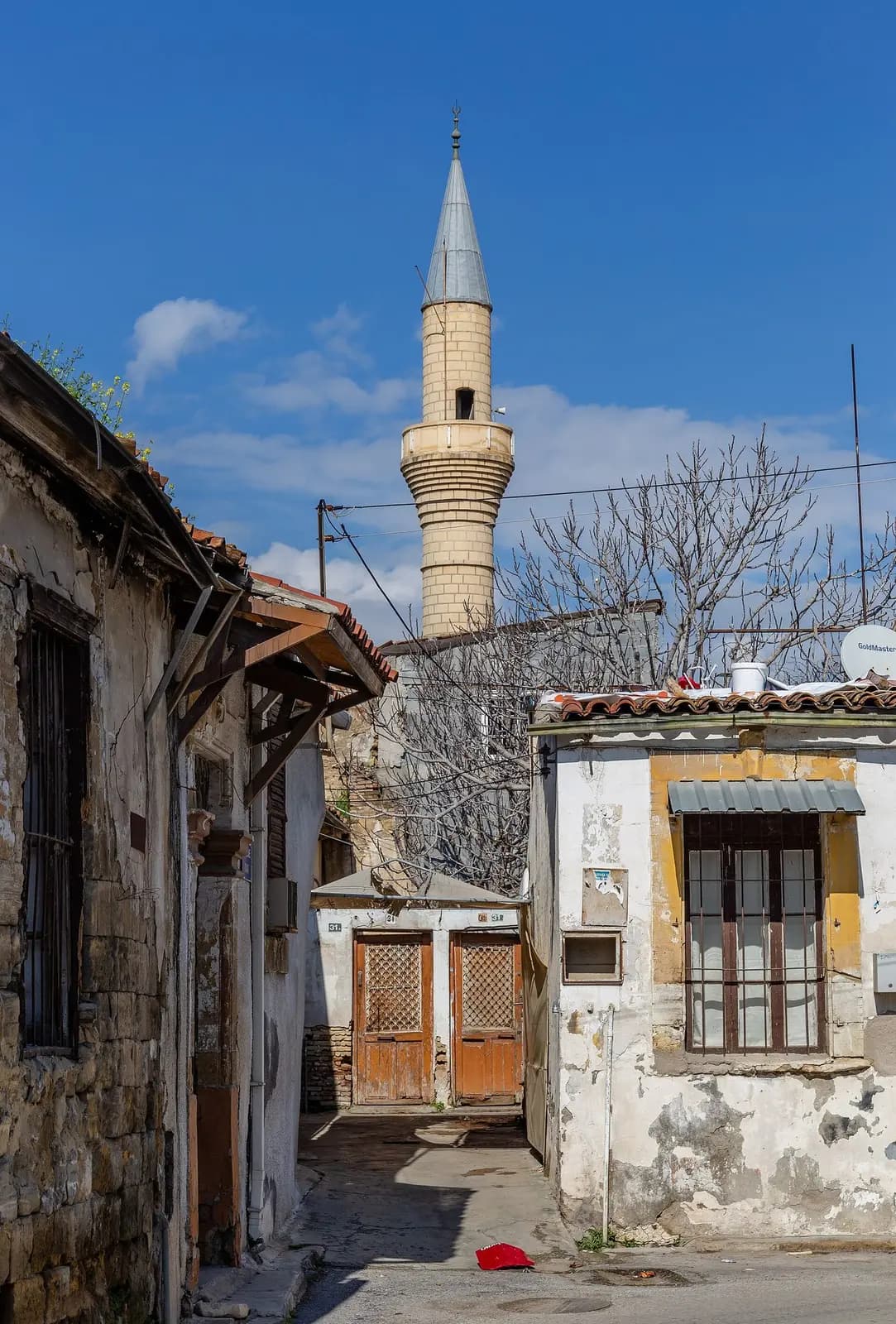
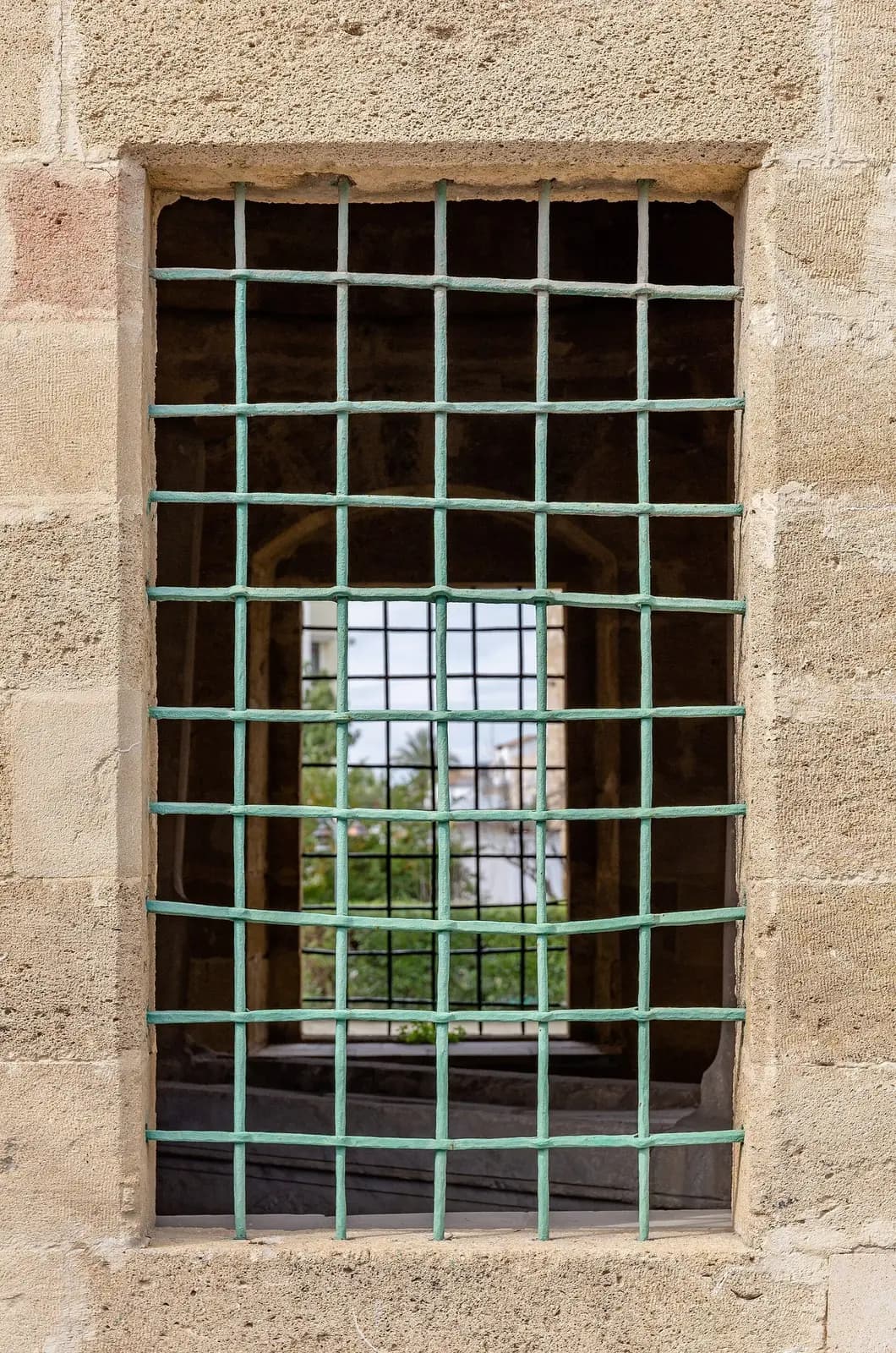
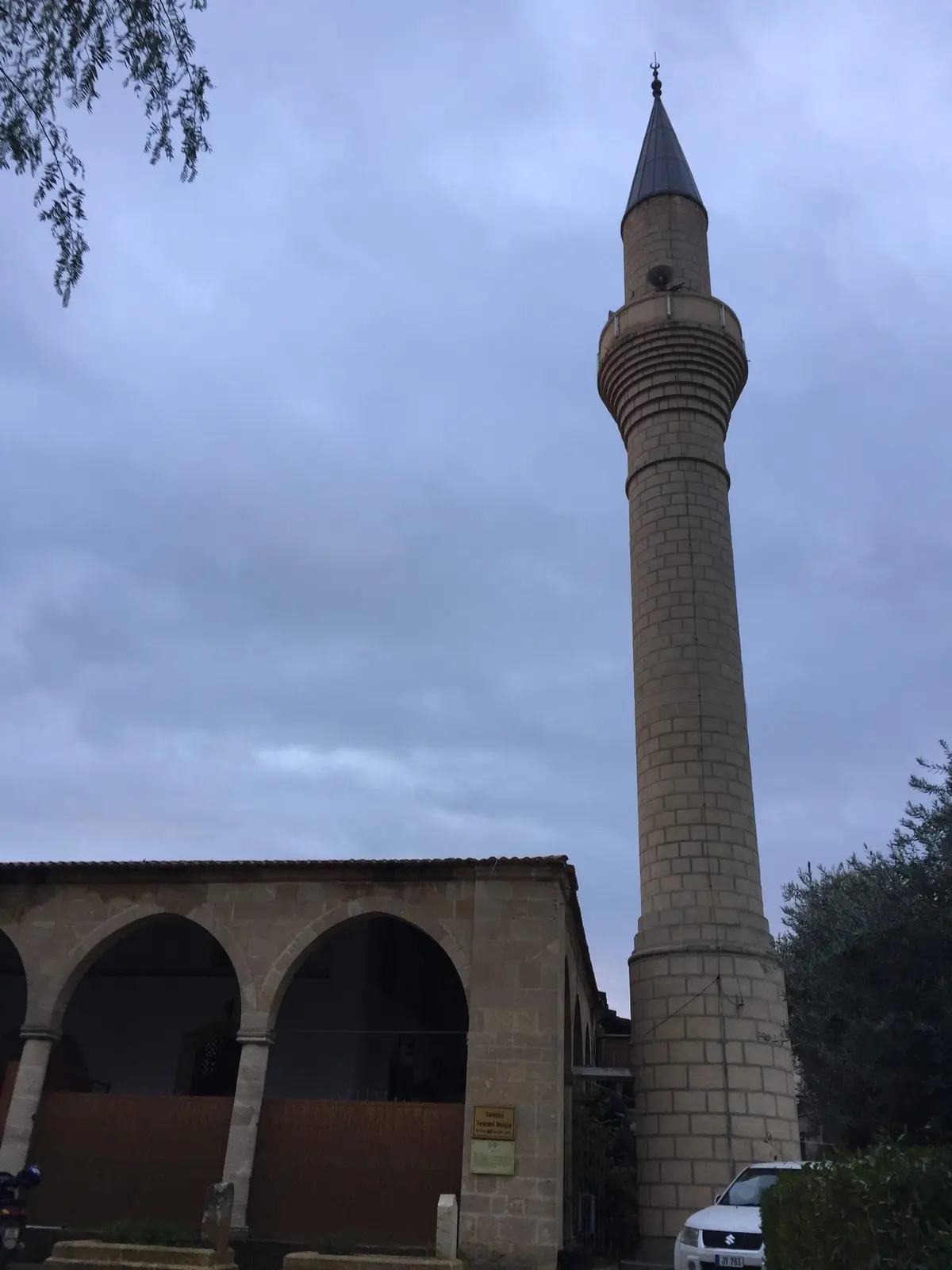
In the north-east of the walled city, Yeni Cami — the New Mosque — carries one of Nicosia's strangest tales. The original building here was a 14th-century medieval church converted into a mosque; in the 18th century it was largely torn down by a governor convinced that treasure lay hidden beneath it. The present 'new' mosque was then built alongside, while a Gothic arch and the lower part of the old minaret still stand from the original. This corner, where ruin, mosque, tombs and neighbourhood life intertwine, is wonderfully photogenic. Tip: it lies on the same route as Haydarpasha Mosque and the Lapidary Museum — all three fit into one quiet morning walk.
Practical information
All the stops on this second route are also inside the walled city and easily covered on foot. To split it in two: Haydarpasha Mosque, the Lapidary Museum, Yeni Cami and the Eaved House cluster in the eastern half, while the Arabahmet quarter and the Armenian Church sit in the west. Museums are generally open on weekday daytimes — check current hours before visiting. Modest dress is recommended for mosque visits, and booking ahead is advisable if you'd like the full bath experience at Büyük Hamam. In summer, plan your walk for early morning or late afternoon.
Keep exploring
10 Best Things to See in North Nicosia
Read the guide →Stay within walking distance of every stop
Our six apartment types sit at three locations in the centre of Nicosia — the walled city is a short walk away.
See the apartments →